Research Highlights
Apr 1, 2025
Cornell University
Revealing the Imperfection of Perfection: The Importance of Frankness in a Meaningful Collaboration
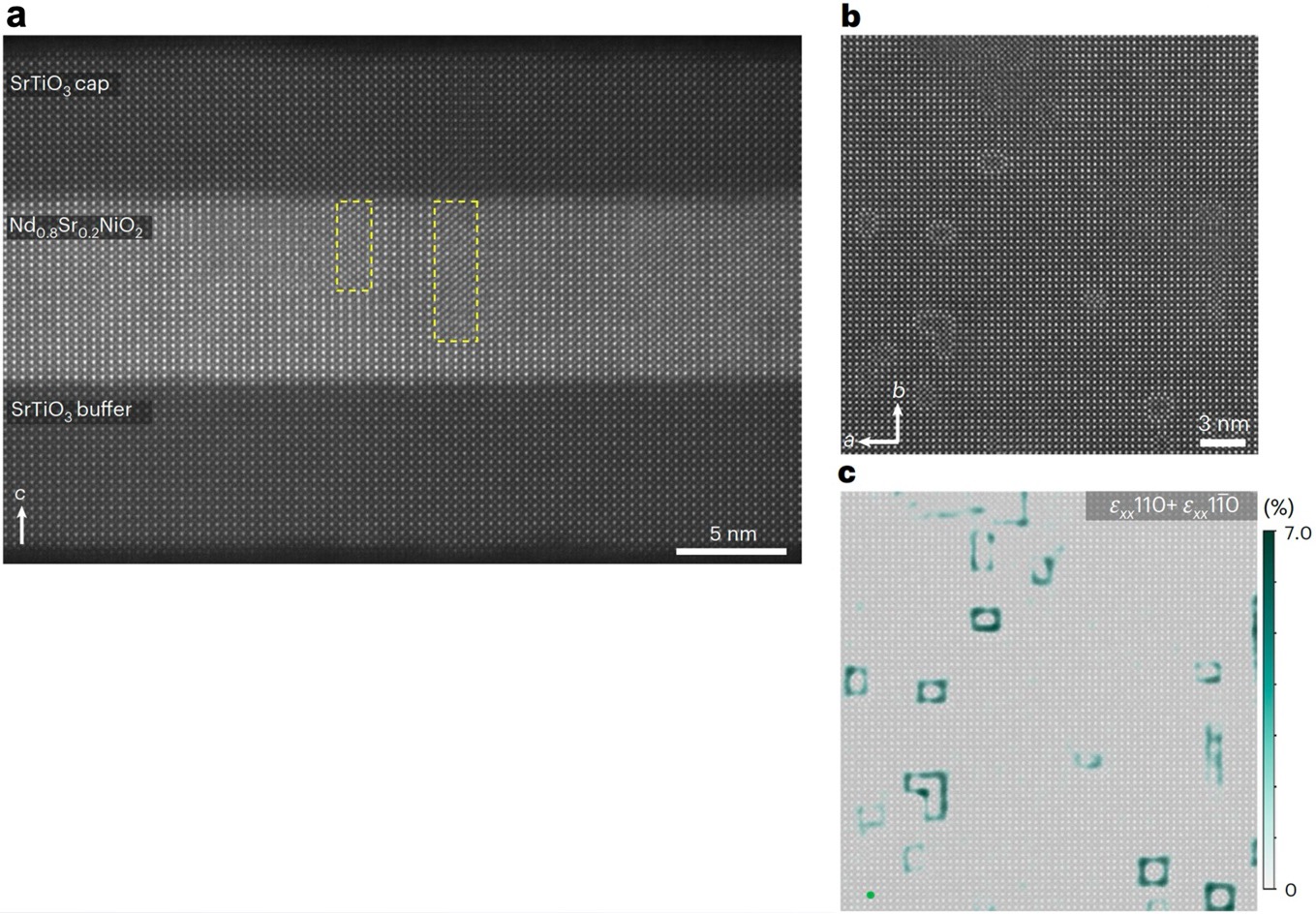
PARADIM Highlight #100 discusses refining nickelate superconductors by creating freestanding (Nd,Sr)NiO2 heterostructures released from substrates. Through SEM/TEM analysis, the team assesses substrate strain effects on superconductivity, enabling measurements before/after release. Led by Hwang and Kourkoutis, the work yields millimeter-to-μm freestanding films for broader studies.
Apr 1, 2025
Cornell University
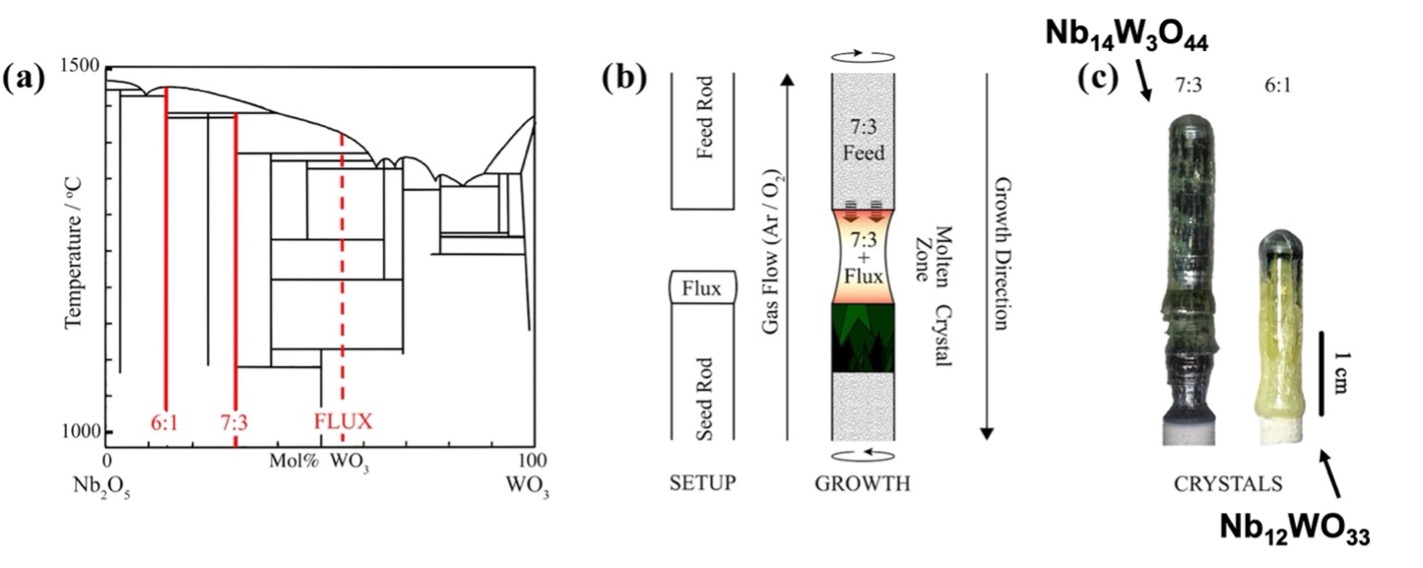
Floating zone growth of complex shear plane phases
Researchers from the University of Utah utilized PARADIM's facilities to grow high-quality niobium tungstate crystals, revealing greater symmetry than previously thought. Their findings indicated significant electrochemical property differences between oxidized and reduced forms, demonstrating the feasibility of growing complex structures via laser diode floating zone techniques.
Mar 1, 2025
Virginia Polytechnic Institute and State University
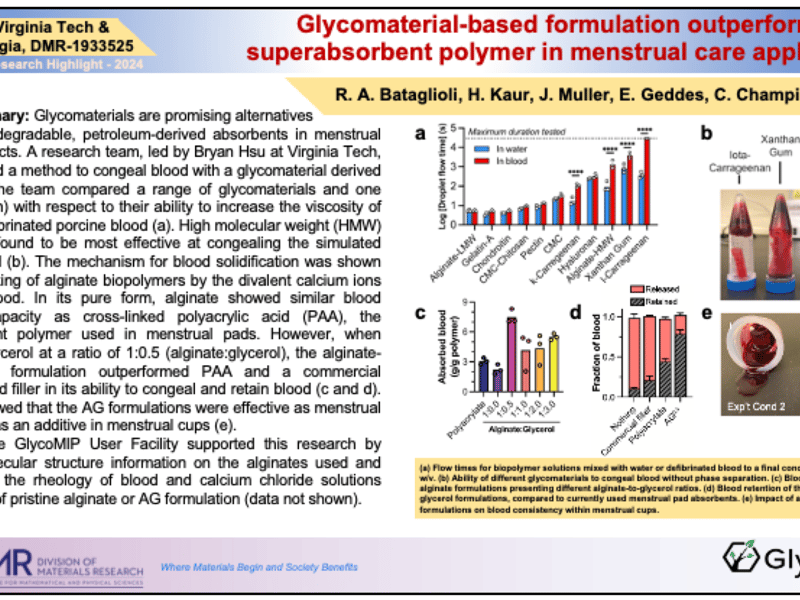
Glycomaterial-based formulation outperforms superabsorbent polymer in menstrual care
R. A. Bataglioli, H. Kaur, J. Muller, E. Geddes, C. Champine, B. B. Hsu
A team of researchers, led by Bryan Hsu at Virginia Tech, developed a novel glycomaterial-based powder formulation, combining alginate and glycerol, that effectively congeals blood. The formulation outperformed currently used materials, specifically a cellulose-based menstrual pad filler and superabsorbent polyacrylic acid, in both menstrual pad and menstrual cup applications.
Mar 1, 2025
Cornell University
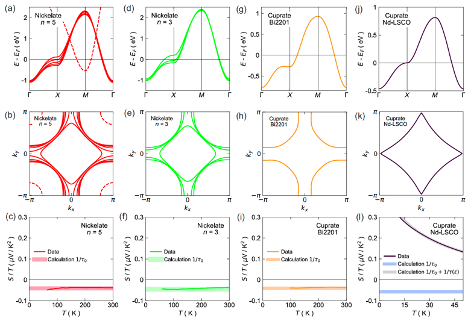
Electronic Band Structure of a Superconducting Nickelate Probed by the Seebeck Coefficient in the Disordered Limit
PARADIM Highlight #98 reports the first Seebeck coefficient measurements of superconducting nickelates (n=5) and metallic n=3 layers. They find a temperature-independent, negative S/T, well described by DFT band structure, indicating a semi-classical metallic state with weak correlations. This contrasts with cuprates, and suggests doping could raise Tc; S/T probes correlations.
Feb 1, 2025
Virginia Polytechnic Institute and State University
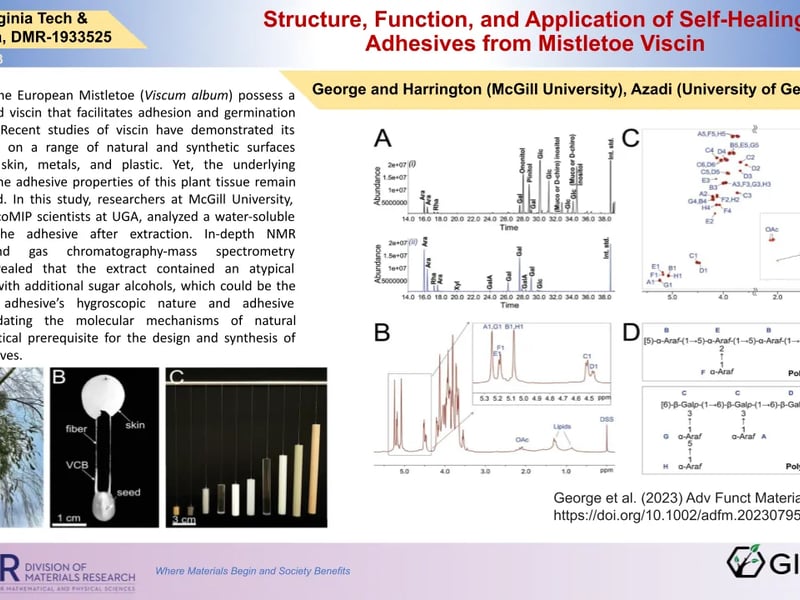
Structure, Function, and Application of Self-Healing Adhesives from Mistletoe Viscin
George and Harrington (McGill University), Azadi (University of Georgia) et al.
Raw and purified viscin from the European Mistletoe (Viscum album) was analyzed by mass spectrometry and NMR spectroscopy in regard to glycosyl composition, linkages, and molecular architecture.
Jan 1, 2025
Virginia Polytechnic Institute and State University
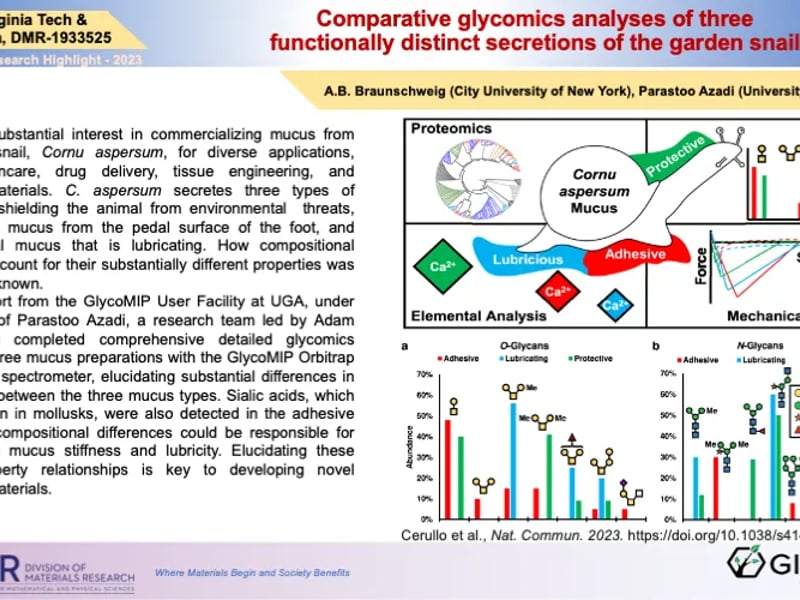
Comparative Glycomics Analyses of Three Functionally Distinct Secretions of the Garden Snail
A.B. Braunschweig (City University of New York), Parastoo Azadi (University of Georgia) et al.
The GlycoMIP In-House Research Team developed a machine learning based framework to establish appropriate MSn protocols and build effective data analysis methods for inferring glycosidic linkages in glycans. As a proof-of-principle, the approach was applied to the elucidation of sialic acid linkages (α2’-3’ and α2’-6’), using a set of sialyllactose standards and NIST sialic acid containing glycans.
Dec 17, 2024
University of California, Santa Barbara
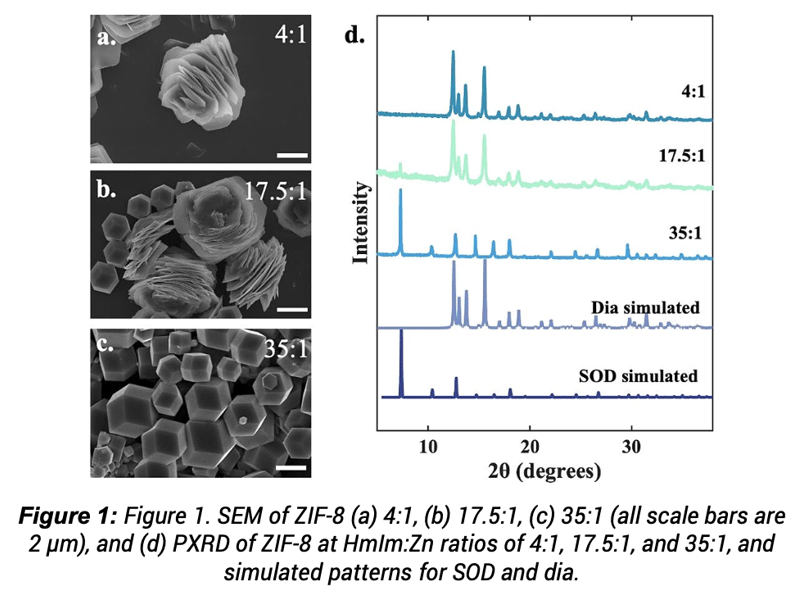
Understanding the Nucleation and Growth of ZIF-8 Polymorphs
A. Rain Talosig, Brooke P. Carpenter and Joseph P. Patterson, UC Irvine
This study addresses a significant knowledge gap in MOF nucleation and growth mechanisms, particularly regarding the formation of different polymorphs. The findings highlight the importance of studying prenucleation phases and provide insights into the role of PNCs in determining final polymorphs.
Dec 17, 2024
Cornell University
Materials Discovery is a Team Sport for All Ages
Kyle M. Shen, Darrell G. Schlom, and Craig J. Fennie (PARADIM)
As part of its 10-week immersion in hands-on research, PARADIM encourages its REU students to dive in and learn new techniques at the same time they experience the power of team-based research.
Dec 1, 2024
Virginia Polytechnic Institute and State University
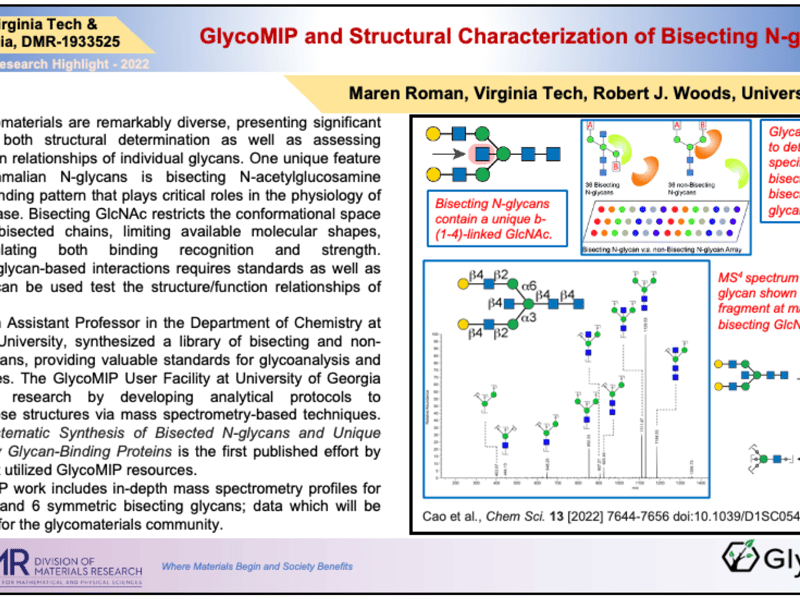
GlycoMIP and Structural Characterization of Bisecting N-glycans
Maren Roman, Virginia Tech, Robert J. Woods, University of Georgia
Three mucus types in C. aspersum were characterized, including their proteins, glycosylation, ion content, and mechanical properties. Information on the macromolecular components of these hydrogels obtained by LC-NSI MS and MALDI-TOF MS included previously unreported details on the sequence, identity, and relative quantities of both N and O-linked glycans. The multifaceted characterization of these different mucus types offered unprecedented insights into their structure-function relationships. The study was reported on by multiple outlets, including NPR
Nov 1, 2024
Virginia Polytechnic Institute and State University
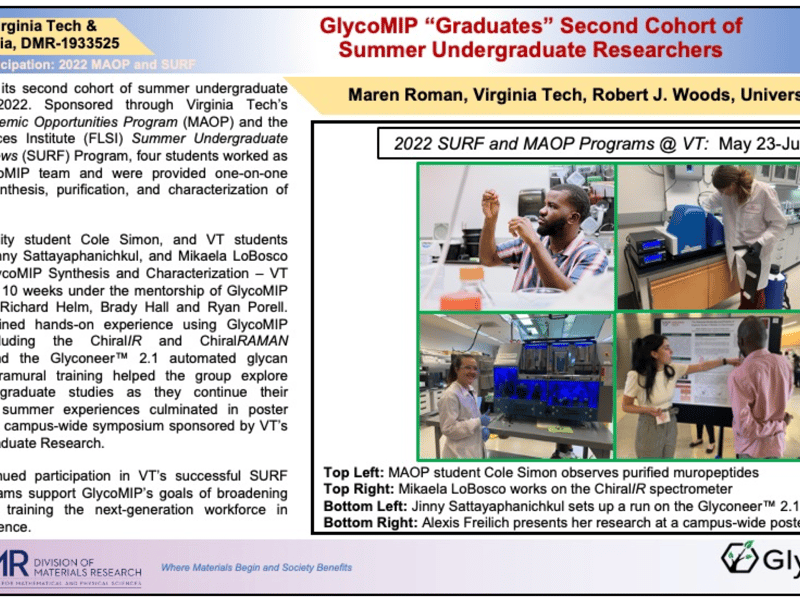
GlycoMIP "Graduates" Second Cohort of Summer Undergraduate Researchers
Maren Roman, Virginia Tech, Robert J. Woods, University of Georgia
Working alongside FSLI’s existing SURF program, GlycoMIP has the opportunity to plug into an existing program with a long-standing history of introducing undergraduate students to graduate-level research. The SURF program provides students valuable opportunities that include professional development workshops, first-hand laboratory experience, and one-on-one mentorship by GlycoMIP faculty and staff.
Showing 21 to 30 of 237