Research Highlights
Aug 1, 2026
Cornell University
Collaboration — Growth of Nickelate Superconductor Alliance
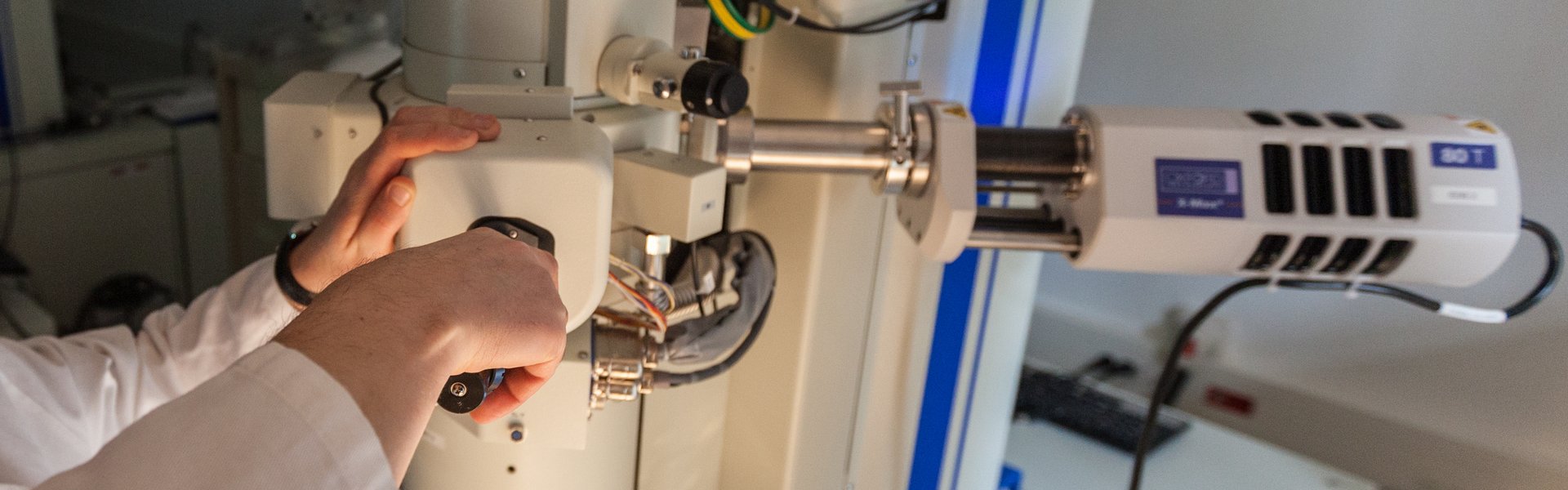
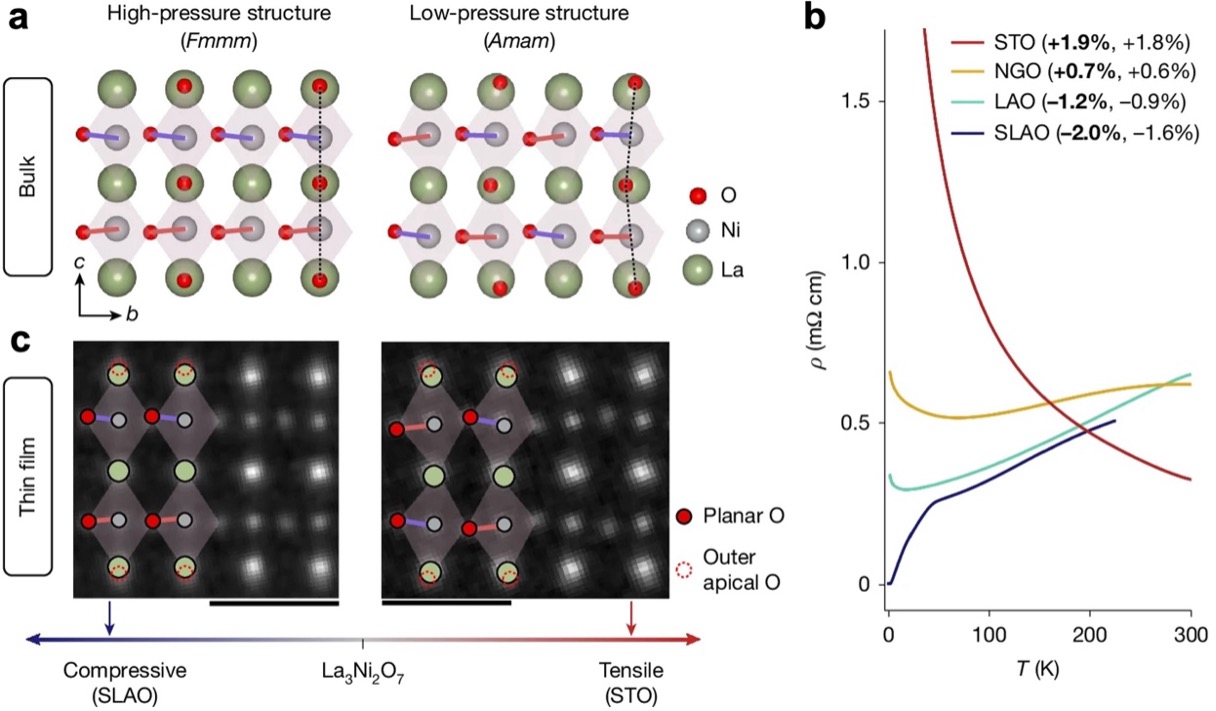
Since the discovery of high-temperature superconductivity in copper-based oxides (cuprates), there has been a sustained effort to understand its origin and to discover new superconductors based on similar building principles. Recently, the discovery of superconductivity in bulk La3Ni2O7 under high hydrostatic pressure and biaxial compression in epitaxial thin films has ignited significant interest in understanding the interplay between atomic and electronic structure in these compounds.
May 1, 2026
Cornell University
Unconventional polaronic ground state in superconducting LiTi2O4
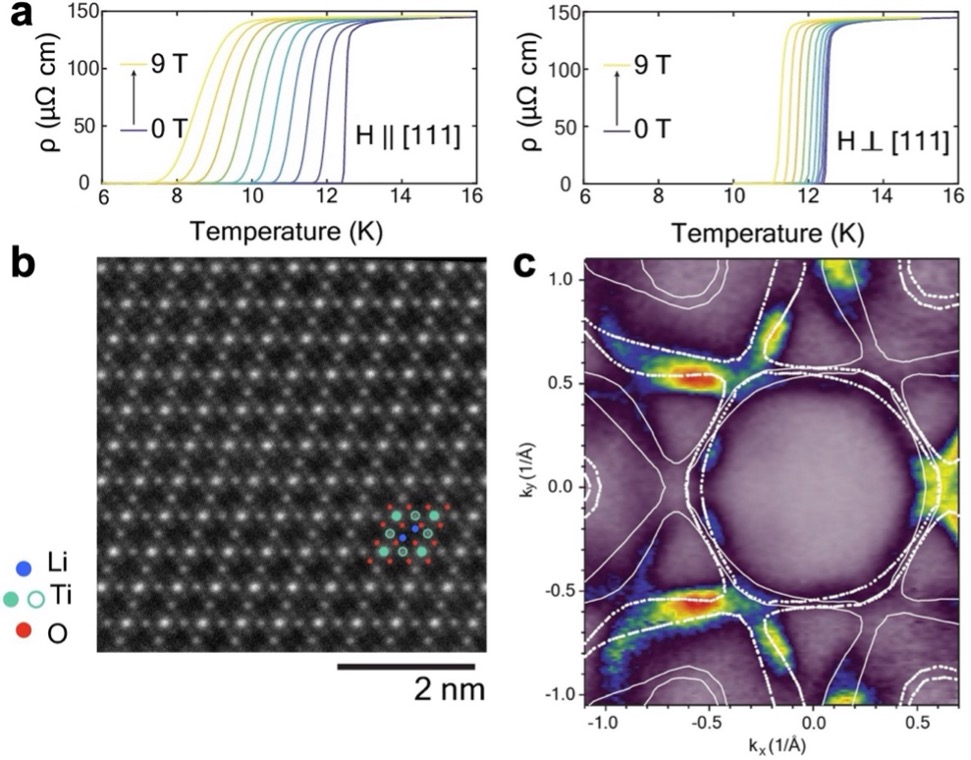
PARADIM Highlight #119 reports LiTi2O4 superconductivity revealing an unconventional polaronic ground state from multimodal studies (ARPES, RIXS, probes, DFT). Strong electron-electron and electron-phonon coupling coexist, challenging conventional BCS. Demonstrates correlated phenomena in half-valence spinels and showcases PARADIM’s MBE+ARPES platform.
Feb 1, 2026
Cornell University
Electron Microscopy Pioneer Inducted into National Academy of Engineering
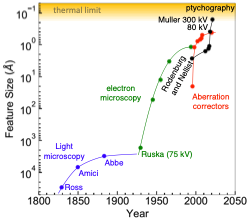
David A. Muller’s work combines a highly sensitive, high-dynamic-range electron-microscope pixel-array detector (EMPAD) with ptychography and multislice algorithms, achieving the world’s highest resolution microscope. PARADIM contributed throughout, with detectors and training; the 0.2 Å images approach atomic-vibration limits. Muller was elected to the National Academy of Engineering in 2026.
Feb 1, 2026
Cornell University
Realizing Record Electro-Optic Response at Cryogenic Temperatures
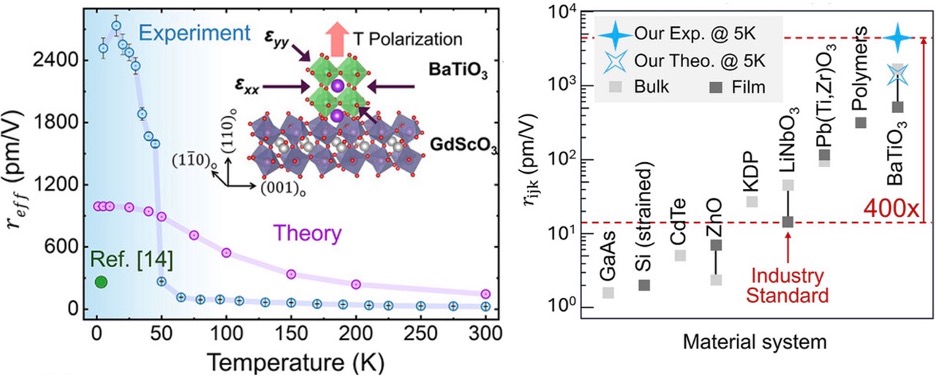
PARADIM researchers engineered strain-tuned BaTiO3 thin films to stabilize a metastable monoclinic phase with exceptional cryogenic electro-optic response. They measured 2516 ± 100 pm/V at 5 K, 100× higher as temperature drops, using adsorption-controlled growth and high-temperature MBE. This enables large, low-field beam steering for quantum applications; patent filed.
Feb 1, 2026
Cornell University
Understanding Misfits—Theory and Measurement unravel 50+ Years of Mystery
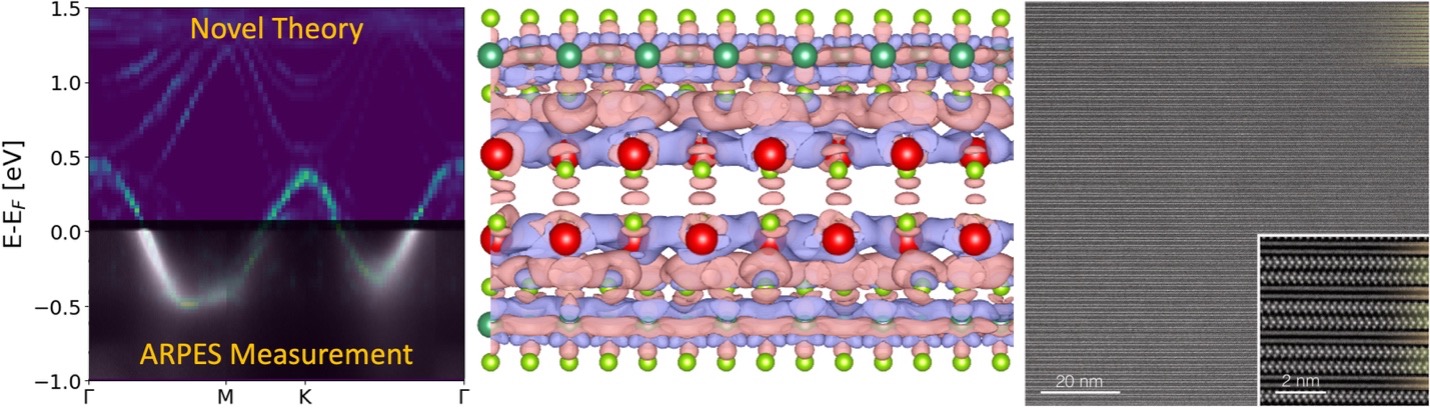
PARADIM’s In-House Team developed MINT, an ab initio framework for mismatched layered materials, revealing that apparent doping in misfit rock-salt/TMD structures arises from intra-layer electron rearrangement, not net interlayer charge transfer. Theory agrees with ARPES; framework enables first-principles study of superconductivity, transport, and thermoelectric properties in incommensurate systems.
Nov 1, 2025
Cornell University
High-Temperature Superconductivity in New Nickelate at 1 atm Pressure
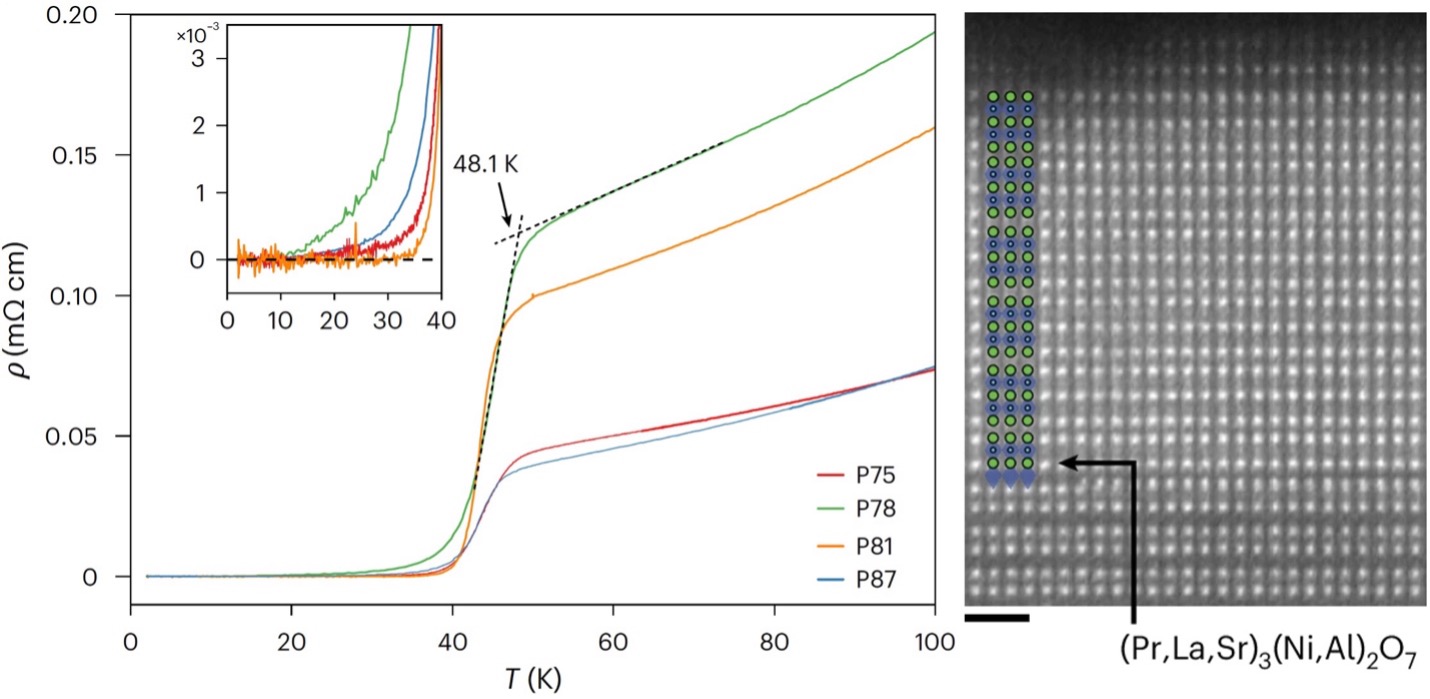
PARADIM Highlight #113 reports ambient-pressure superconductivity in compressively strained La2PrNi2O7 thin films, achieved via Pr substitution, growth optimization, and ozone annealing. Onset above 48 K with zero resistance above 30 K; high critical current. Atomic-resolution EM reveals film-substrate interface details, defects, and oxygen’s key role.
Nov 1, 2025
Cornell University
Shared Ingredient of High-Tc Superconductors: Spin Stripe Domains
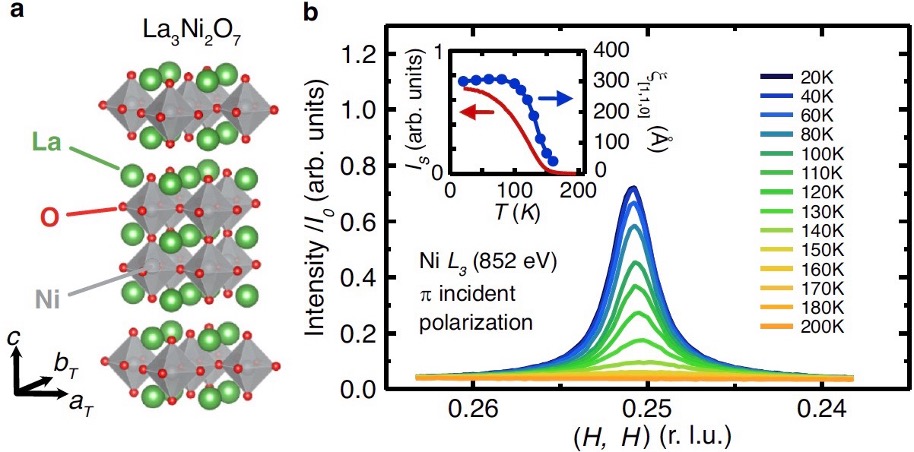
PARADIM In-House researchers study La3Ni2O7 under pressure, where superconductivity above 80 K raises questions about common high-Tc mechanisms. Using resonant soft x-ray scattering and polarimetry on thin films, they find a unidirectional diagonal spin-stripe SDW in the NiO2 plane, with in-plane moments and no strong charge disproportionation.
Nov 1, 2025
Cornell University
Unconventional Superlattice Ordering in Intercalated Transition Metal Dichalcogenide
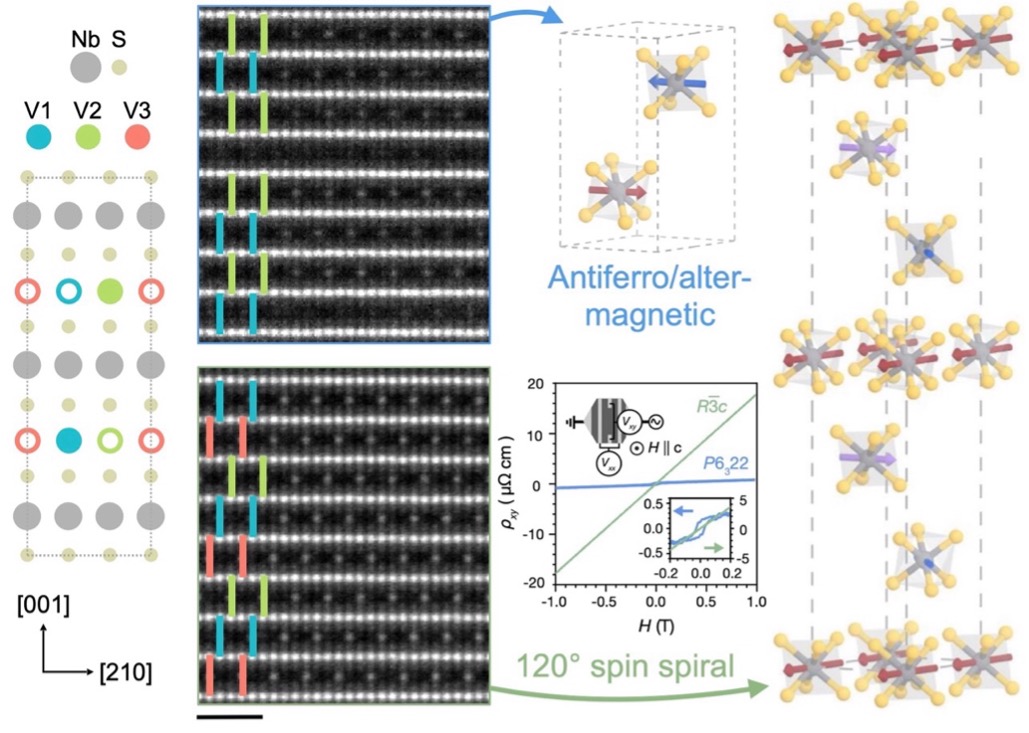
UC Berkeley researchers show V1/3NbS2 can crystallize into two ordered intercalant superlattices (ABAB and ABC) with distinct magnetism and electronics. One is metallic with altermagnetism; the other semimetallic noncollinear antiferromagnet with potential topological properties. This enables tunable magnetic/electronic states for spintronics and topological devices.
Sep 1, 2025
Cornell University
Intertwined Phases and Magnetocaloric Anisotropy in Cr2+xTe4
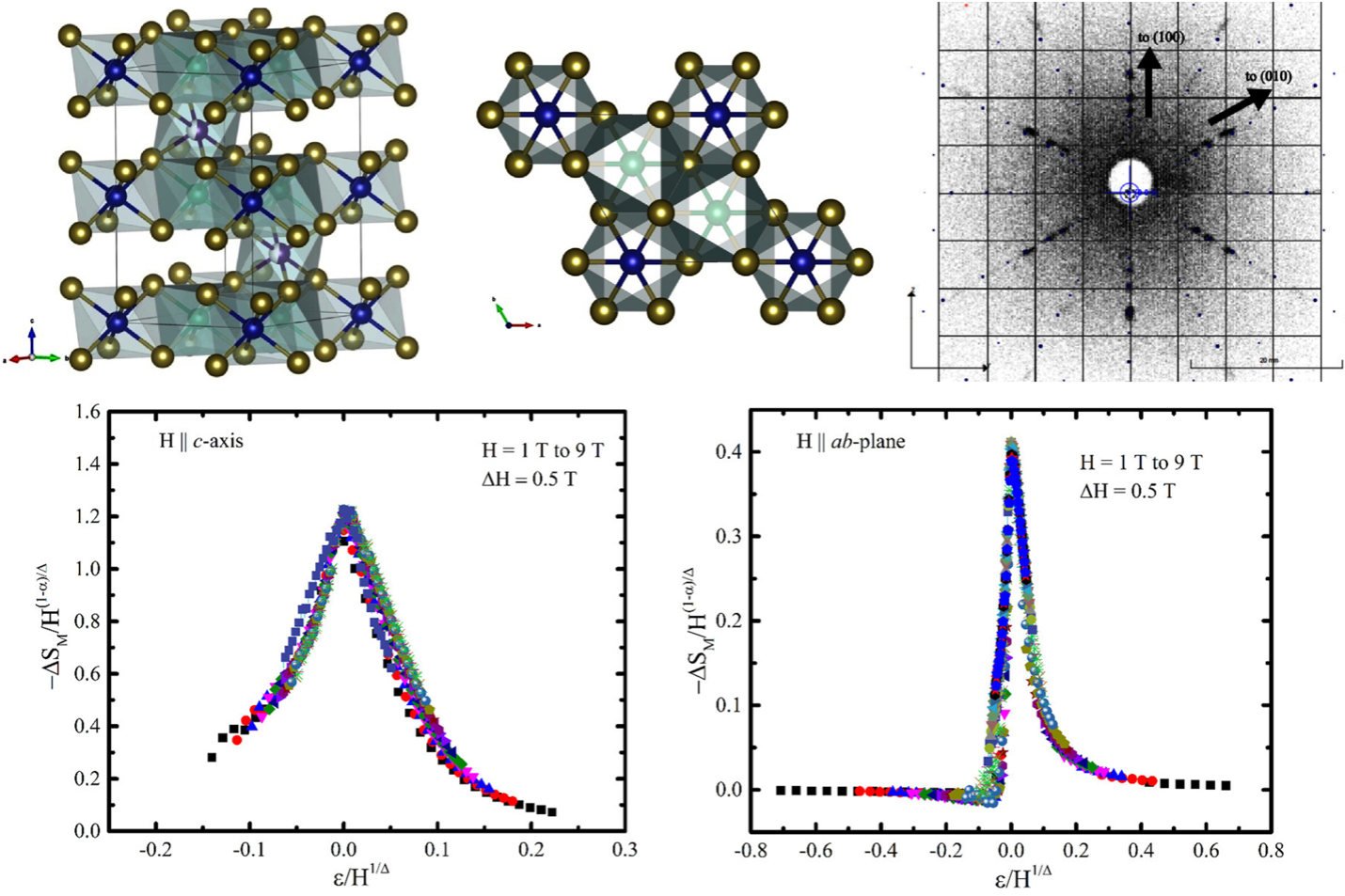
PARADIM researchers (Guchhait, Howard Univ.) explored Cr-Te layered phases CrTe2–Cr3Te4, synthesizing compositionally precise Cr2+xTe4 crystals to study magnetic properties. They found Cr2Te3 exhibits a large, anisotropic magnetocaloric effect at 170 K; thin films show ordering near 280 K, promising room-temperature magnetocaloric devices. CVT growth enabled precise interstitial ordering.

Sep 1, 2025
Cornell University
“Infinite Layer” Nickelates Superconduct even without Doping?
PARADIM's In-House team reports superconductivity with onset up to 11 K in high-crystallinity, undoped NdNiO2 thin films. Superconductivity appears when residual resistivity drops below the NiO2 sheet quantum resistance, suggesting intrinsic, clean-limit behavior akin to cuprates. Apical oxygens could also contribute; film quality is key.
Showing 1 to 10 of 237