Latest News
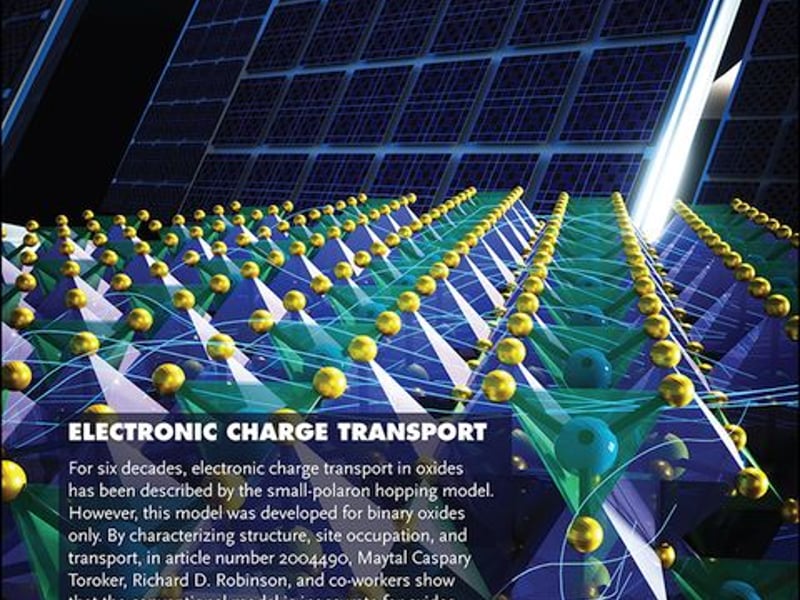
PARADIM User Project Featured on Advanced Materials Cover
By PARADIM News
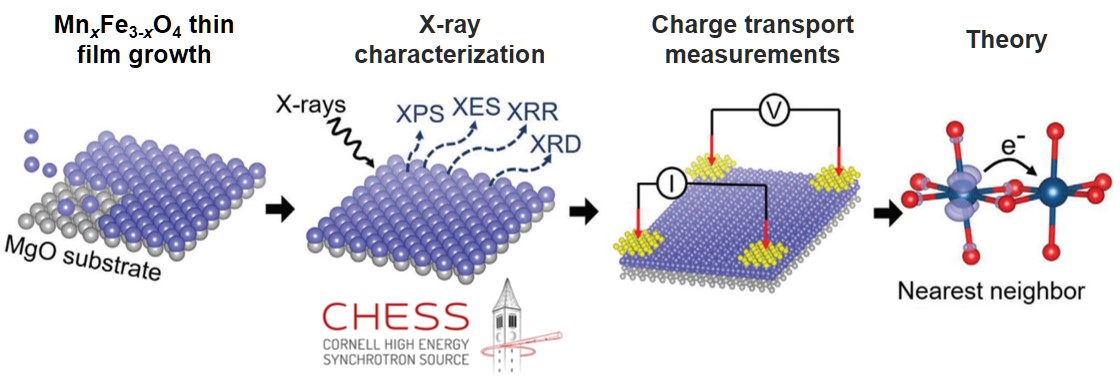
A PARADIM-supported study on electronic charge transport in spinels was selected for the frontispiece of Advanced Materials in December 2020.
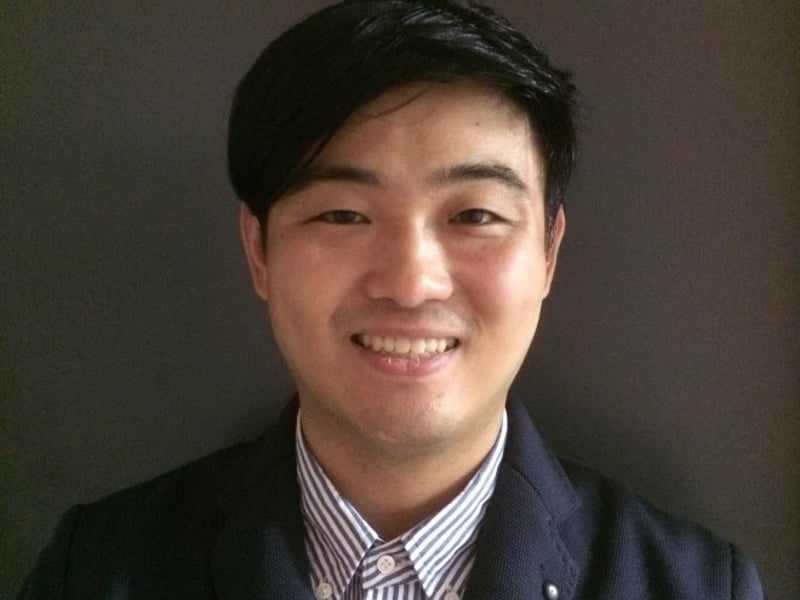
PARADIM Postdoctoral Associate Jisung Park Receives 2nd Place in 2020 APL Materials Excellence in Research Award
By PARADIM News
Jisung Park was awarded second place in the 2020 APL Materials Excellence in Research Award for his work on fully transparent field-effect transistors.
A PARADIM for Jumpstarting Academic Careers
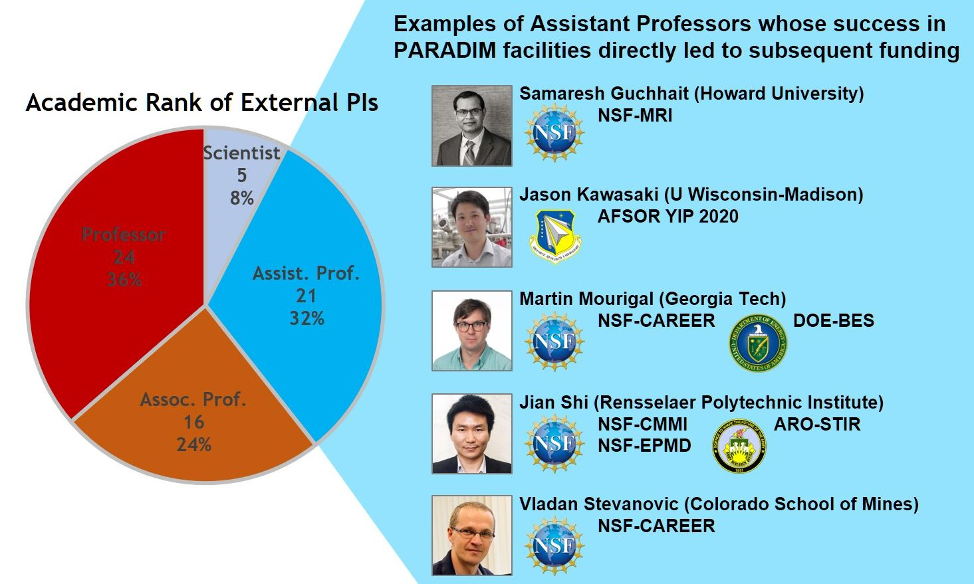
Materials Innovation Platforms provide free access and training at state-of-the-art equipment. Based on accepted projects to use PARADIM, our User Program is particularly interesting for young researchers and faculty at the start of their own research group, when required equipment or well-trained personnel might not be readily available at their home institutions.
|
|
Figure: Pie chart representing the distribution of academic ranks among PARADIM's 66 external PIs, Scientists 8%, Assistant Professors 32%, Associate Professors 24%, and Full Professors 36%. Portraits of 5 examples of Assistant Professors whose success at PARADIM led to subsequent funding. |
Details of Presented Examples:
Prof. Samaresh Guchhait (Howard): NSF MRI, “Acquisition of a Physical Property Measurement System to Study Quantum, Magnetic and Functional Materials and Quantum Devices,” https://www.nsf.gov/awardsearch/showAward?AWD_ID=2018579.
Prof. Jason Kawasaki (U Wisconsin-Madison): AFOSR YIP: "Topological superconductivity and induced phase transitions in strained Heusler membranes and twisted bilayers,” https://www.afrl.af.mil/News/Article-Display/Article/2406086/afosr-awards-grants-to-36-scientists-and-engineers-through-its-young-investigat/.
Prof. Martin Mourigal (Georgia Tech): NSF-DMR: “CAREER: Anomalous spin dynamics in triangular quantum magnets: from materials discovery to quantitative neutron spectroscopy,” https://www.nsf.gov/awardsearch/showAward?AWD_ID=1750186 and DOE-BES: “New Controlling quantum coherence in frustrated spin-orbit magnets“ (DE-SC0018660).
Prof. Jian Shi (RPI): PARADIM provided important results for obtaining tenure at home institution and the following grants: NSF award CMMI #2024972, “Scalable Manufacturing of Single Crystalline Halide Perovskite Film via Interface Engineering,” https://www.nsf.gov/awardsearch/showAward?AWD_ID=2024972; NSF award EPMD #2031692 “Symmetry-protected spin dynamics in ferroelectric spin device” https://www.nsf.gov/awardsearch/showAward?AWD_ID=2031692; and ARO STIR.
Prof. Vladan Stevanovic (Colorado School of Mines): NSF-DMR: “CAREER: Toward Rational Discovery and Design of Metastable Materials” https://www.nsf.gov/awardsearch/showAward?AWD_ID=1945010.
User Data Statistics.
66 PIs and their research groups from universities and research centers across the US (only non-PARADIM institutions) received access to PARADIM based on reviewed proposals: Full Professor: 24 (36%), Assoc. Prof.: 16 (24%), Assist. Prof.: 21(32%), Scientist: 5 (8%)
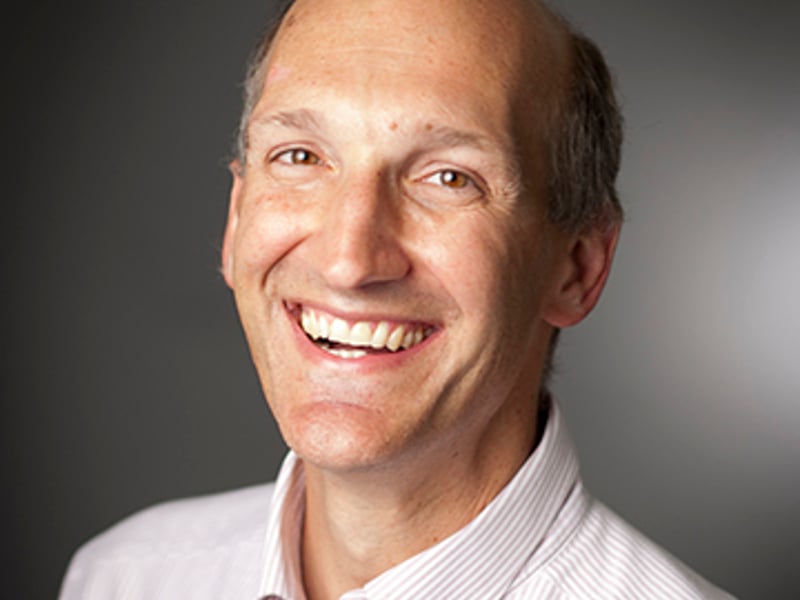
Darrell Schlom Receives 2021 APS James C. McGroddy Prize for New Materials
By PARADIM News
PARADIM Director Darrell Schlom was honored with the 2021 James C. McGroddy Prize for New Materials by the American Physical Society.
PARADIM Users Win NAMBE 2019 Best Journal Paper Award
By PARADIM News
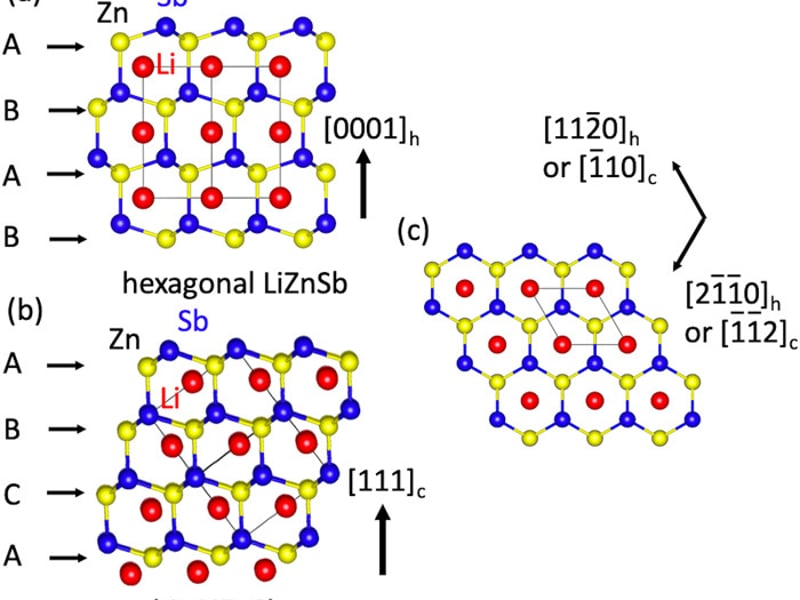
Dongxue Du, Patrick Strohbeen, and Jason Kawasaki received the NAMBE 2019 Best Journal Paper Award for their work on polymorphism control in LiZnSb thin films.
Accelerating Research
PARADIM Researchers Publish Thermodynamic Roadmap for Oxide MBE Sources
By PARADIM News
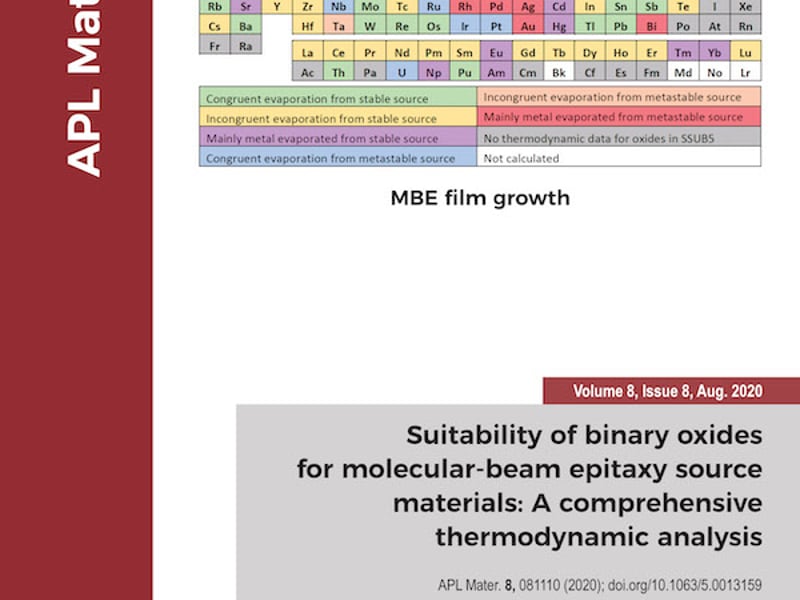
A comprehensive thermodynamic study by PARADIM in-house researchers evaluates the volatility of 128 binary oxides to guide source material selection for oxide MBE. Featured as an Editor’s Pick, the paper was also selected as the cover article for the August 2020 issue of APL Materials.
David Elbert Delivers Talk "Streaming Towards Our Quantum Future" at 2020 Kafka Summit
By PARADIM News
PARADIM Chief Data Officer David Elbert delivered a talk at the 2020 Kafka Summit titled “Streaming Towards Our Quantum Future.”
Realizing a New Semiconductor for Power Electronic Applications
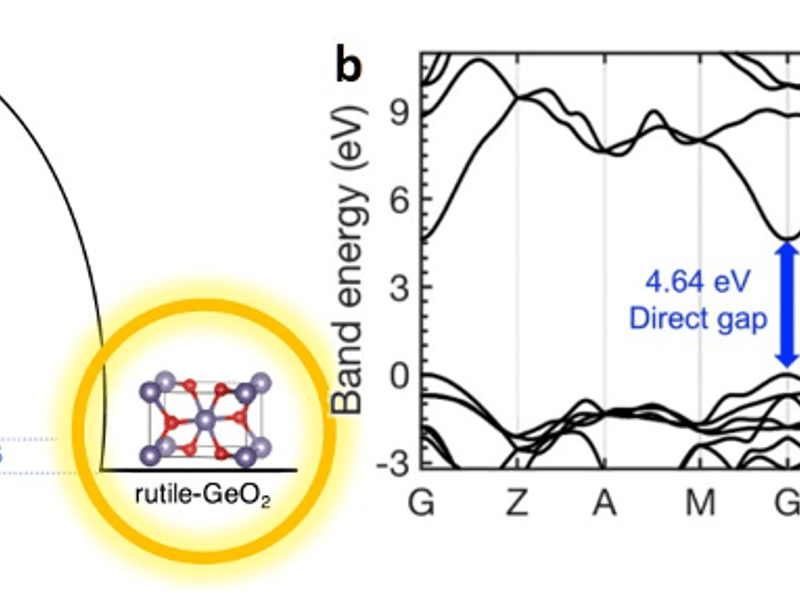
John T. Heron and Emmanouil Kioupakis, University of Michigan
Showing 241 to 250 of 363