News
Director Javier Read de Alaniz Named AAAS Fellow

Karen Wooley elected to the 2026 Class of the National Academy of Engineering

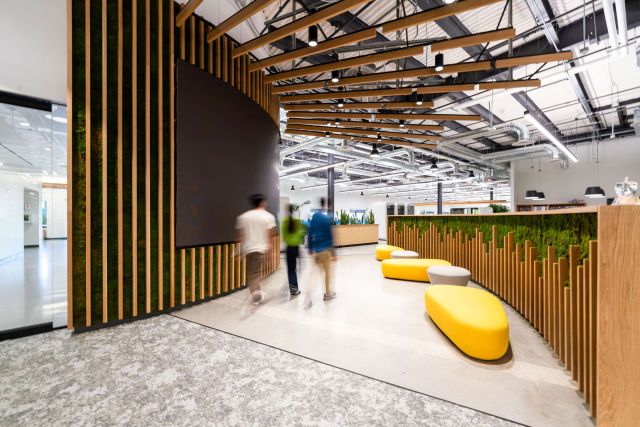
BioPACIFIC MIP Expands Capabilities with Move to UCSB’s OASIS Facility
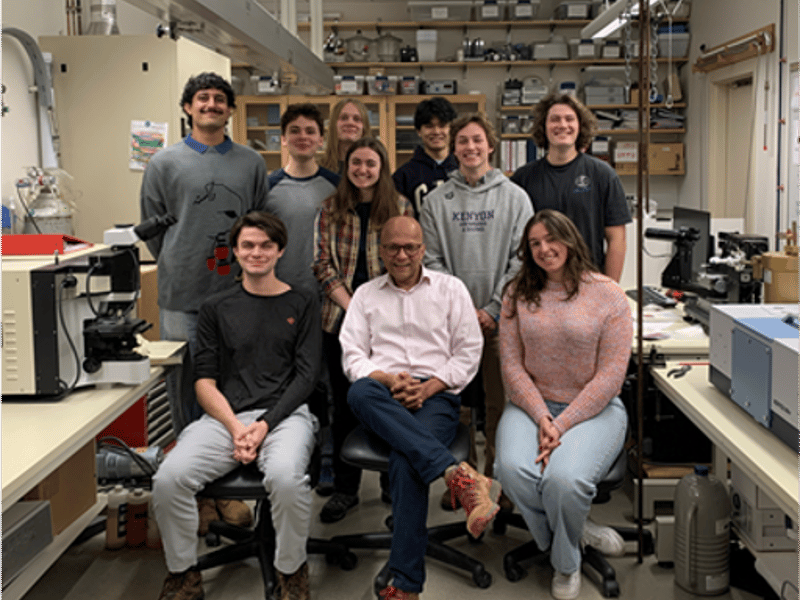
2DCC-MIP Collaboration Expands Undergraduate Research at Kenyon College
Frank Peiris, professor of physics at Kenyon College, is leveraging the capabilities of the 2D Crystal Consortium–Materials Innovation Platform (2DCC-MIP) at Penn State to engage undergraduates in cutting-edge studies of thin-film growth and electronic structure.
Q&A: Growing Novel Ultra-Pure Materials for Tomorrow’s Electronics

2DCC-MIP User Engages Undergraduate Researchers in Computational Studies of Metal Chalcogenides
Kate Plass, Professor of Chemistry at Franklin & Marshall College, is expanding research and educational opportunities for undergraduates through her group’s collaboration with the 2D Crystal Consortium–Materials Innovation Platform (2DCC-MIP) at Penn State.

UC Santa Barbara, UCLA’s BioPACIFIC MIP earns renewed NSF support to accelerate AI-driven biobased materials innovation
The U.S. National Science Foundation has renewed funding for BioPACIFIC MIP — Biomaterials, Polymers and Advanced Constructs from Integrated Chemistry Materials Innovation Platform — a collaboration between UC Santa Barbara and UCLA that provides a unique scientific ecosystem for the United States. This $19.8 million renewal empowers BioPACIFIC MIP to continue advancing the frontier of biobased materials, uniting synthetic biology, chemistry, automation and artificial intelligence to reshape how materials are discovered, designed and deployed.
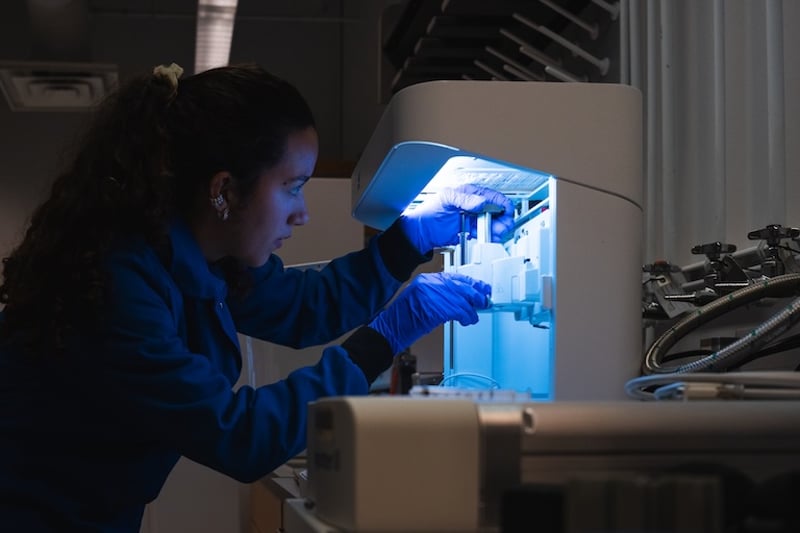
Collect plasmids — fast, easy and consistently — with BioPACIFIC MIP at UCLA Automated System
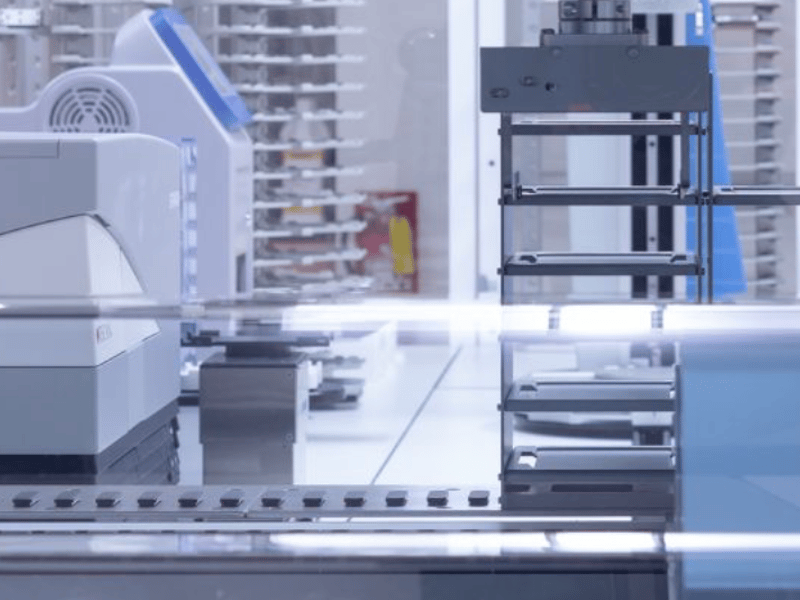
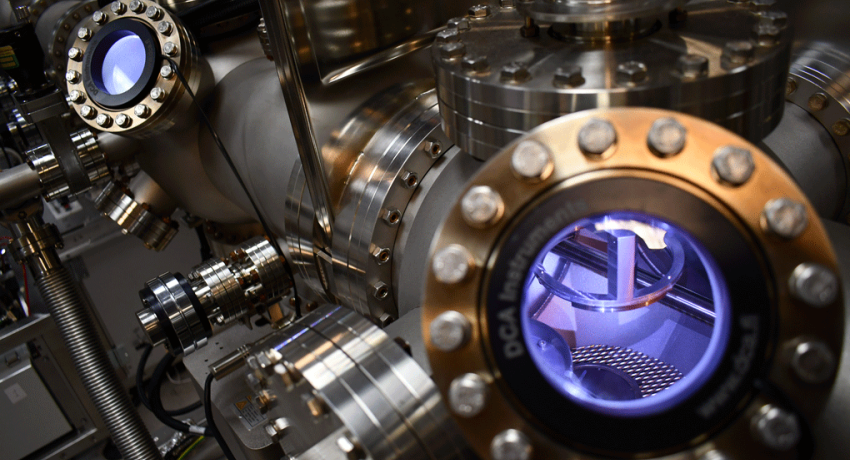
Tools of Discovery: How new equipment is powering research breakthroughs at Penn State
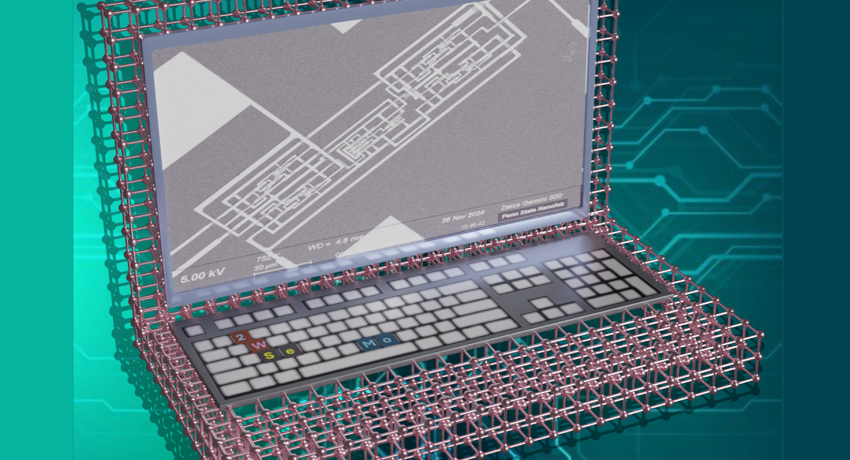
World’s first 2D, non-silicon computer developed
Showing 11 to 20 of 119